Maintenance & Care
Simple, practical care to keep your prosthesis comfortable and looking its best.
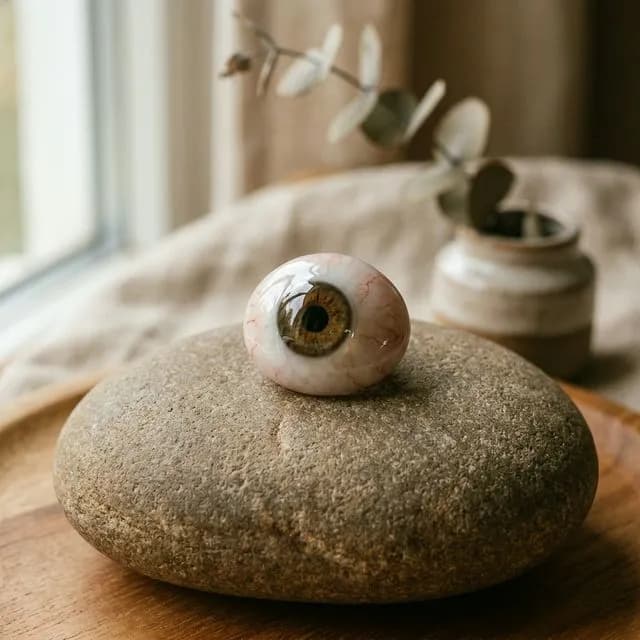
The most important rule
The single best thing you can do for your prosthetic eye is leave it alone as much as possible.
Your socket has its own cleaning processes, and for the most part they'll be sufficient. Human hands are rarely truly clean, so touching your eye can introduce germs and dirt that make things uncomfortable.
It is simply not necessary to remove your prosthetic eye every night, provided it is fitting comfortably and is well-lubricated. Removing it daily can actually cause problems: it can turn eyelashes inward, irritate the socket, or weaken the tear film that keeps your eye comfortable.
Most patients find they are more comfortable with the prosthesis in than out. Once you've settled into wearing yours, you'll likely only need to remove it occasionally for cleaning.
Day-to-day care
Your daily routine should be minimal. A few drops of preservative-free lubricating eye drops applied over your closed eyelid or directly onto the prosthesis will keep the surface moist and comfortable throughout the day. This is especially helpful in dry, windy, or air-conditioned environments.
Always wipe toward your nose when cleaning around the eye. Wiping outward can dislodge the prosthesis.
If you experience some discharge, particularly in the mornings, this is normal. An increase in secretions can be caused by wind, head colds, allergies, extreme temperatures, or not washing hands thoroughly before handling the prosthesis. A gentle wipe with a clean, damp cloth is usually all that's needed.
When and how to clean
On average, most patients remove their prosthetic eye around once a month for cleaning. Your ocularist will advise you on the frequency that suits your socket.
When you do clean it:
- Wash your hands thoroughly with mild soap before handling. Place a soft towel on the counter below you. If the prosthesis pops out unexpectedly during removal, the towel will protect it from chipping.
- Wash the prosthesis gently between your fingers using warm water and unscented, simple soap. The more additives and chemicals in the soap, the greater the chance of damaging the surface. Rinse thoroughly; any soap residue left on the surface will sting when you reinsert.
- Let it air dry, or use a lint-free cloth. Do not use any cloth that could leave particles on the surface.
What never to use
This is important: the wrong products can permanently damage your prosthesis.
Alcohol attacks the acrylic and creates microfractures on the surface. Even though it's safe on skin, it should never touch your prosthetic eye. Alcohol-based cleaning products of any kind can damage the prosthesis.
Also avoid: household cleaning products, abrasive soaps, scented or moisturiser-heavy soaps, bleach, hand sanitiser, and anything with harsh chemicals. Never use a brush of any sort, as this can scratch the surface.
Stick to mild, unscented soap and warm water. If in doubt, contact Lorna before trying anything new.
Storing your prosthesis
If you need to leave your prosthesis out for any reason, store it in a clean, dry container in a safe location away from pets and children. It's not necessary to store it in water. Never leave it wrapped in tissue. This is the easiest way to lose it.
Always keep a conformer (the clear temporary shell Lorna provides) on hand. If your prosthesis needs to be left out for an extended period, wearing the conformer helps maintain your socket shape.
Insertion and removal
Lorna will teach you how to insert and remove your prosthesis during your fitting appointment, and you'll have time to practise until you feel confident. Here's a quick reminder of the basics:
- To insert: Wash your hands. A drop of lubricant on the prosthesis can make insertion smoother. While keeping your gaze downward to open up the socket, lift your upper eyelid, slide the top edge of the prosthesis under it as far as it will go, then gently pull down the lower lid and let the bottom edge tuck in.
- To remove: Wash your hands. Pull down your lower eyelid near the nose, then run your forefinger outward along the lower lid while pressing gently, and the prosthesis should slide out into your cupped hand. A suction cup can also be used if you find this easier.
If you're struggling with either, don't force it. Contact Lorna and she'll guide you through it.
Professional polishing
No matter how well you care for your prosthesis at home, it will gradually accumulate protein deposits, bacteria, and fine surface scratches from normal eyelid movement. Professional polishing removes this buildup and restores the prosthesis's comfort and appearance.
We recommend having your prosthesis professionally polished every six months. This appointment is also an opportunity for Lorna to examine your socket health and check the fit of your prosthesis. These visits usually take around 30 minutes and are well worth the investment.
If you can't make it in for a polishing, you can post your prosthesis to us and we'll take care of it. Just get in touch to arrange this.
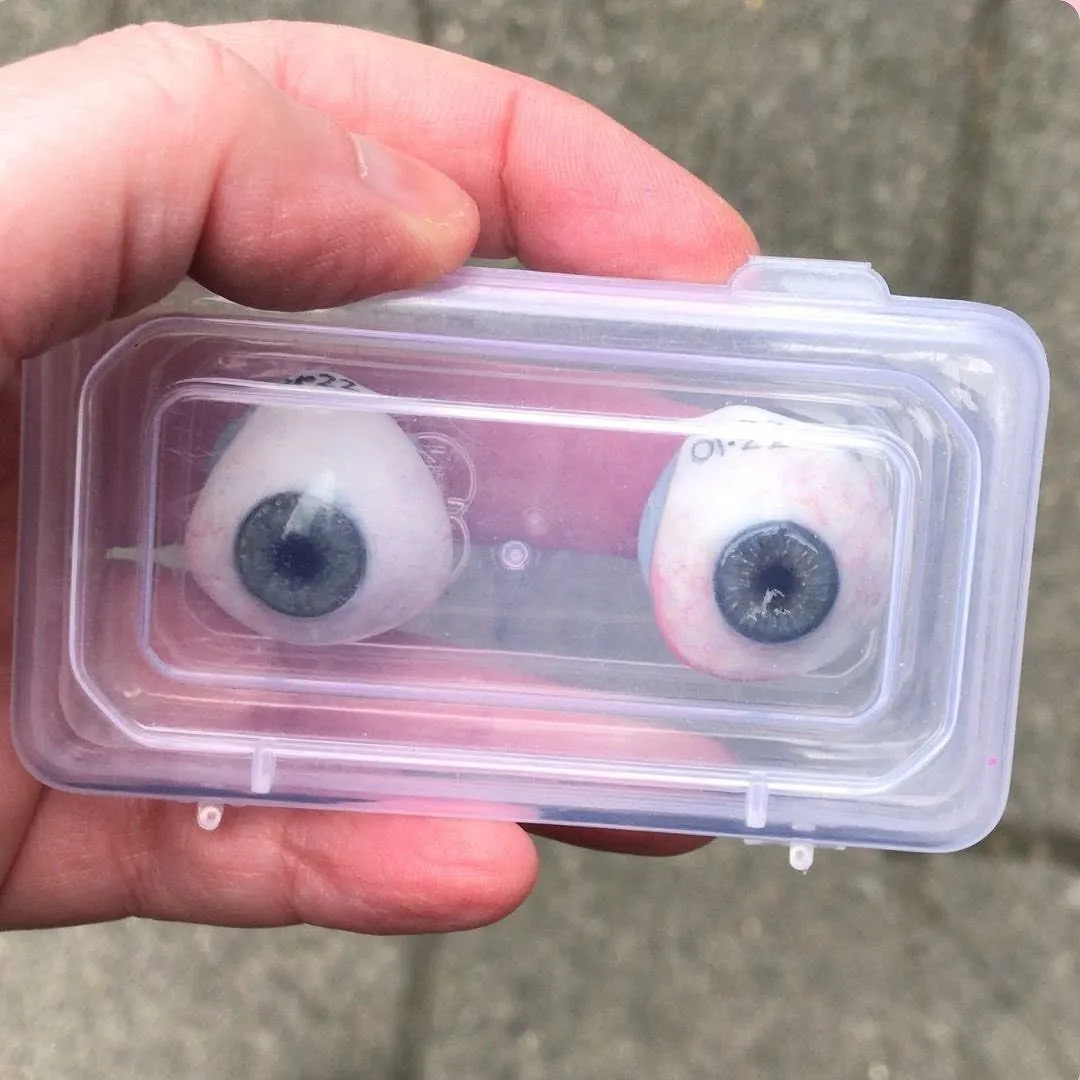
When to replace your prosthesis
The average life of a prosthetic eye is around five years. Over time, natural changes in your eye socket and facial structure can affect the fit. For children, replacements are needed more frequently as they grow.
Signs that your prosthesis may need replacing:
- Your eyelid has started to droop or look different from the other side. The prosthesis feels loose, spins easily, or no longer sits as snugly as it once did.
- You're experiencing persistent discharge even after a professional polish. Recurring infections that weren't an issue before.
- Increased dryness or discomfort that lubricating drops can't resolve.
- The prosthesis has visible chips, cracks, or a dull appearance that polishing no longer fixes.
If you're noticing any of these, it's worth booking an appointment so Lorna can assess whether a polish, modification, or replacement is the right next step.
Everyday life
Your prosthesis can be worn day and night. You can shower, exercise, and go about your normal routine without worry.
If you swim, wear goggles. While diving or underwater, keep your eye closed. A well-fitted pair of polycarbonate glasses will protect your prosthesis during everyday activities and also help protect your remaining eye.
Cold weather, hot weather, wind, and dry indoor heating all tend to evaporate moisture from the prosthesis surface. Keep lubricating drops handy during these conditions.
When to contact us
Don't wait for your next scheduled appointment if something doesn't feel right. Get in touch if:
- You feel sharpness, aching, or persistent pain in the socket.
- Your socket is red, swollen, or inflamed.
- You notice a sudden increase in discharge that doesn't resolve with cleaning.
- Your prosthesis has cracked, chipped, or been damaged.
- You're having difficulty inserting or removing your prosthesis.
- Anything feels different from what you're used to.
There's no such thing as a question too small. We would always rather hear from you early than have a minor issue become a bigger one.
Quick Reference
A summary of your routine care to keep your prosthesis in optimal condition.
Daily
Use preservative-free lubricating drops as needed. Wipe gently toward the nose if there's any discharge.
Monthly
Remove, wash with mild unscented soap and warm water, rinse thoroughly, and reinsert. Frequency as advised.
Every 6 Months
Visit Lorna for a professional polish, socket health examination, and fit check.
Every 3–5 Years
Have Lorna assess whether your prosthesis needs adjusting, modifying, or replacing entirely to ensure comfort.
Ongoing care
Whether you’re due for a routine polish, have a question about daily care, or something just doesn’t feel right, we provide continued support long after your initial fitting.