Children & Families
A calm, unhurried approach to paediatric prosthetics for your child and for you.
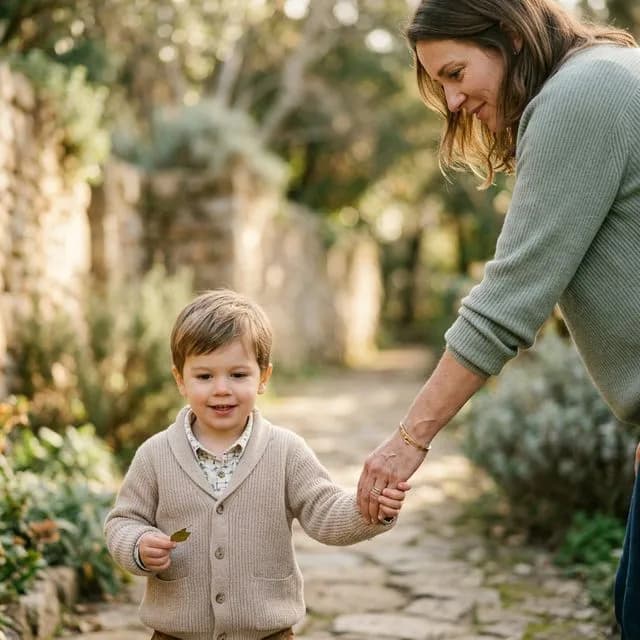
We're in this together.
When your child needs a prosthetic eye, everything can feel overwhelming. You may be processing a diagnosis, preparing for surgery, or simply trying to understand what comes next. We want you to know that this is something we have real experience with, and that both you and your child are in safe hands.
At Kind Eyes, Lorna works with children of all ages, from babies who need their first conformer through to teenagers who want a prosthesis that feels completely their own. Every appointment is shaped around your child's comfort, moving at their pace, with the patience and gentleness that paediatric care demands.
Why children need prosthetic eyes
Children may need a prosthetic eye for a range of reasons. Some babies are born with anophthalmia, where one or both eyes are absent, or microphthalmia, where one or both eyes are smaller than usual. Others lose an eye through illness such as retinoblastoma, or as a result of injury.
When a child is born with anophthalmia or microphthalmia, the eye socket needs to be gently expanded over time to support natural facial growth and development. This is done using clear plastic conformers (small devices that are gradually increased in size) to encourage the socket and surrounding bones to grow properly. Once the socket reaches an appropriate size, children can be fitted with a painted prosthetic eye, typically between ages one and two.
Children will generally need their prosthesis replaced three to four times before the age of ten as their face grows and changes. This is a normal and expected part of the journey. Each new prosthesis is an opportunity to refine the fit and appearance.
What your child's appointments look like
We know that clinical environments can feel intimidating for children. Strange equipment, unfamiliar people, and unusual sensations can all make a child anxious, especially if they're too young to fully understand what's happening.
At Kind Eyes, we approach every paediatric appointment differently from an adult one. We go at your child's pace. If they need breaks, we take them. If they need extra visits spread over more days, that's fine. There's no rushing and no pressure. You'll be with your child throughout, and we'll explain every step to you and to them in language that makes sense for their age.
For younger children, it can help to describe the process using playful, sensory language beforehand. For example, explaining that the ocularist will use "special squishy stuff" to take a mould, and that it might feel funny or cool but won't hurt. We're happy to guide you on how to prepare your child before their first visit.
Supporting your child emotionally
For children and their families, the experience of eye loss can be especially challenging. Parents often worry about their child's emotional wellbeing, their self-esteem, and how they'll navigate social situations. These are real and valid concerns.
Children respond differently depending on their age. Very young children often adapt quickly and treat their prosthesis as a completely normal part of life. Older children and teenagers may have more questions, more self-consciousness, and more awareness of how they're perceived by others.
What helps most is openness. Using simple, age-appropriate language to explain the prosthesis (describing it as a "special eye" that helps them look and feel like themselves) gives children a way to understand and talk about their experience confidently.
If your child feels comfortable, helping them practise simple responses to peers' questions can make social situations much easier. Something as straightforward as "this is my special eye, it was made just for me."
School and everyday life
Most children with a prosthetic eye lead completely full, active lives, including sports, swimming, school, and everything in between. People with monocular vision have played professional and college sports, and held positions in every field of work.
A few practical things to keep in mind:
- Your child should wear protective eyewear during sports and physical activity to safeguard their remaining eye.
- It's worth speaking to your child's teacher about preferential seating so they can see the board clearly, and ensuring staff know what to do if the prosthesis becomes dislodged (which is rare but can happen). The socket will come to no harm if the eye is left out temporarily, so there's no need for anyone to panic.
We can help you prepare a simple information sheet for your child's school if that would be useful.
For parents and carers
This page has focused on your child, but we know this journey affects you too. Research shows that the emotional impact of eye loss extends to the whole family, with spouses and parents also experiencing elevated levels of distress and unmet support needs.
Please don't feel you need to have everything figured out before you contact us. Many parents come to their first appointment carrying a long list of worries they haven't been able to voice anywhere else. That's exactly what we're here for.
If you'd like additional emotional support, we've gathered a list of UK organisations that specialise in helping families through this experience on our wellbeing and resources page.
Helpful organisations
Finding community and specialized support can make a significant difference.
MACS
Microphthalmia, Anophthalmia & Coloboma Support
The UK charity specifically supporting families of children with these conditions. They offer guidance at every stage, from diagnosis through to prosthetic care.
Visit websiteCHECT
Childhood Eye Cancer Trust
Support for families affected by retinoblastoma, including information about prosthetic eyes after treatment.
Visit websiteChanging Faces
Support for visible differences
The UK's leading charity for anyone with a visible difference, offering a support line, counselling, and self-help guides for children, young people, and parents.
Visit websiteA gentle approach
If your child needs a prosthetic eye, or if you simply have questions and aren’t sure where to start, we’ll guide you through the options at a pace that feels right for your family. You can read more about what to expect during the journey, explore our wellbeing and support resources, or hear from other families.
Book a Consultation